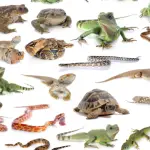
Herpetofauna diversity refers to the variety of reptile and amphibian species present in a given ecosystem. Reptiles and amphibians play important roles in their ecosystems and are critical components of biodiversity. However, many species of…


Herpetofauna diversity refers to the variety of reptile and amphibian species present in a given ecosystem. Reptiles and amphibians play important roles in their ecosystems and are critical components of biodiversity. However, many species of…

Biogeography is the study of the distribution and historical relationships of living organisms across geographic regions. Reptiles and amphibians are widely distributed across the world, with some species found on every continent except Antarctica. In…

Cumulonimbus clouds are a type of vertical cloud that can create a towering, anvil-shaped cloud in the sky. These clouds are often associated with thunderstorms, heavy rain, lightning, and hail, and can have a significant…

Cirrus clouds are a type of high-altitude cloud that are often associated with fair weather conditions. These thin, wispy clouds can create beautiful and intricate patterns in the sky and provide valuable insights into atmospheric…

Stratus clouds are a type of low-lying cloud that can play a significant role in climate change and global warming. While the exact impact of stratus clouds on climate change is still a topic of…

Clouds come in many different shapes and sizes, and each type of cloud has unique characteristics that can provide valuable insights into atmospheric conditions. Stratus clouds are a type of low-lying cloud that often create…

Herpetological field techniques and survey methods are essential for studying and monitoring reptiles and amphibians in their natural habitats. These techniques and methods allow researchers to collect data on the behavior, distribution, and abundance of…

Altocumulus clouds are a type of mid-level cloud that are often associated with changing weather patterns. These clouds can create a beautiful and intricate pattern in the sky and provide valuable insights into atmospheric conditions.…

Throughout history, reptiles and amphibians have played an important role in human culture and mythology. Herpetological folklore and mythology have influenced the way people view these animals, and have contributed to the development of many…

Stratus clouds are a common type of cloud that can have different impacts on local weather patterns depending on the region in which they occur. These low-lying clouds can create a uniform layer of gray…

The study of paleontology involves examining the fossil record to learn about the evolution and history of life on Earth. Reptiles and amphibians are no exception, and the fossil record provides important insights into the…

Stratus clouds are a common type of cloud that form a uniform layer of gray or white cloud cover in the sky. They are low-lying clouds that often create overcast conditions and are typically associated…

Mammatus clouds are a type of cloud that can create a distinctive, pouch-like appearance in the sky. These clouds are often associated with thunderstorms and can have a significant impact on weather patterns. In this…

Stratus clouds can have a significant impact on agriculture and the environment. These low-lying clouds often create overcast conditions and can impact local weather patterns, leading to changes in temperature, humidity, and precipitation. In this…

Nimbostratus clouds are a type of low-lying cloud that can create a uniform layer of dark gray cloud cover in the sky. These clouds are often associated with steady, moderate to heavy rainfall and can…