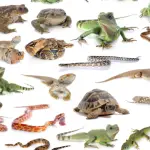
Husbandry and captive care are important aspects of keeping reptiles and amphibians in captivity. Proper care and management of these animals can help to ensure their health and well-being, as well as promote their conservation. In this article, we will explore the husbandry and captive care of reptiles and amphibians.
Housing and Enclosure
The first step in caring for reptiles and amphibians in captivity is to provide a suitable housing and enclosure. This includes providing adequate space, appropriate substrate, temperature and humidity control, and appropriate lighting.
The size of the enclosure should be appropriate for the size of the animal, with enough space for the animal to move around freely. The enclosure should also provide a suitable substrate, such as mulch, bark, or sand, that is appropriate for the species and allows for proper burrowing or digging behaviors.
Temperature and humidity control are also important factors to consider when housing reptiles and amphibians. Most species require specific temperature and humidity ranges to thrive, and these conditions should be carefully monitored and controlled using a combination of heating and cooling equipment, as well as appropriate ventilation.
Lighting is also important for many species of reptiles and amphibians. UVB lighting is particularly important for species that require it for the synthesis of vitamin D3, which is essential for proper calcium metabolism.
Feeding and Nutrition
Feeding and nutrition are important aspects of caring for reptiles and amphibians in captivity. Most species require a specific diet, and it is important to provide a varied diet that meets their nutritional needs.
Live prey is often necessary for many species, such as snakes and lizards, and should be of appropriate size for the animal. Some species may also require specific supplements, such as calcium or vitamin D3, to ensure proper nutrition.
Water is also important for most species of reptiles and amphibians, and should be provided in a shallow dish or pool that is changed regularly to ensure cleanliness.
Health and Disease Management
Monitoring the health of reptiles and amphibians is an important aspect of captive care. Regular veterinary check-ups can help to ensure that the animal is healthy and free from disease.
Proper hygiene and sanitation are also important for preventing the spread of disease in captive populations. Enclosures and equipment should be cleaned and disinfected regularly to prevent the spread of pathogens.
Conclusion
In conclusion, husbandry and captive care are important aspects of keeping reptiles and amphibians in captivity. Providing appropriate housing, feeding, and nutrition, as well as monitoring health and disease management, are crucial for ensuring the health and well-being of these animals. By following proper husbandry and care protocols, we can help to ensure the survival of these fascinating animals and promote their conservation.