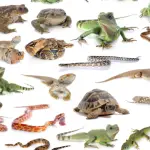
Reproduction and life history are important aspects of the biology of reptiles and amphibians. These animals exhibit a wide range of reproductive and developmental strategies, which are influenced by environmental factors such as temperature and humidity. In this article, we will explore the reproduction and life history of these fascinating animals.
Reproduction of Reptiles and Amphibians
Reptiles and amphibians exhibit a wide range of reproductive strategies, including internal and external fertilization, oviparity (laying eggs), and viviparity (giving birth to live young).
In reptiles, fertilization is typically internal, with males using specialized copulatory organs to transfer sperm to the female. In some species, such as turtles and crocodilians, females may store sperm for long periods of time, allowing them to fertilize multiple clutches of eggs without mating again.
In amphibians, fertilization is typically external, with males releasing sperm into the water, where females deposit their eggs. Some amphibians, such as salamanders, exhibit internal fertilization, with males transferring sperm directly to the female’s reproductive tract.
Egg-laying is the most common reproductive strategy in reptiles and amphibians. Females deposit their eggs in a variety of locations, including on land, in water, or in nests. Some species exhibit parental care, with parents guarding their eggs or young, while others exhibit no parental care at all.
Life History of Reptiles and Amphibians
The life history of reptiles and amphibians is influenced by a variety of factors, including temperature, humidity, and food availability. These animals exhibit a wide range of life history strategies, including long lifespans, slow growth rates, and extended periods of dormancy.
For example, some turtles and tortoises can live for over 100 years, while some amphibians have relatively short lifespans of only a few years. Some reptiles and amphibians also exhibit extended periods of dormancy, such as hibernation in response to cold temperatures.
Reptiles and amphibians also exhibit a variety of developmental strategies, with some species undergoing metamorphosis from a larval to an adult form. Amphibians are particularly well-known for their metamorphic development, with species such as frogs and toads undergoing dramatic changes in body shape and function during this process.
Conclusion
In conclusion, the reproduction and life history of reptiles and amphibians are complex and fascinating aspects of their biology. These animals exhibit a wide range of reproductive and developmental strategies, which are influenced by environmental factors such as temperature and humidity. Understanding the reproduction and life history of these animals is crucial for their conservation and management, as well as for advancing our knowledge of their behavior, ecology, and evolution.