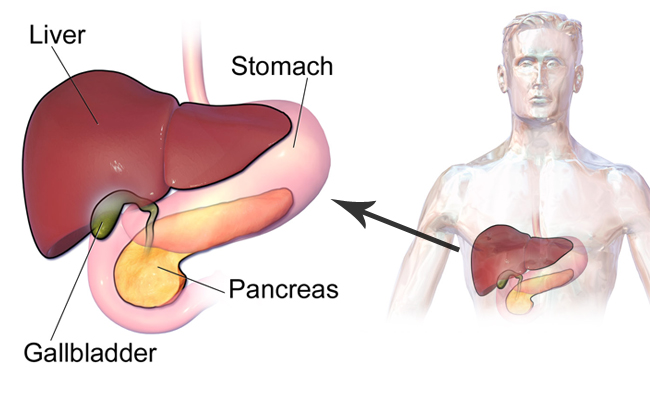
Bile is a molten that is formed by the liver and released into the intestinal area to help in digestion of food and other nutrients. Â Its main components are cholesterol, salt, and bilirubin. These components are considered essential in the breakdown of some food products for digestibility. Bile is produced by the liver but is mainly stored in the gall bladder to aid in digestion. Â In between meals for example, bile fluid stays at gallbladder until such time that there are food products to be processed in the intestines, particularly in the duodenum area. Â The breakdown of food products will then help the body absorb the nutrients that is found in food.
The salt component in bile are typically reabsorbed in the intestines and become part of the electrolyte components of the body. Â The human body literally needs a balance of electrolyte or nutrients and substances that come from various food sources. Â In the case of bile salts, any imbalance will cause dehydration. Â Bile is also essential in the processing of fat from food. Â Fat components will be processed and broken down into fatty acids which will be re-absorbed by the body through the intestines. Â Once re-absorbed, these fatty acids become essential nutrients and fuel for various cellular processes and functions.
Another essential function of bile fluid from the liver is in the absorption of various vitamins and minerals from food items. Â Bile is typically helpful in so-called fat-soluble nutrients like Vitamins A, E, and D. Â Without bile, food that contains these nutrients cannot be processed properly in the body’s digestive system. Â The same nutrients cannot also be re-absorbed by the body to support various organ and cellular function. Â Bile also acts as some kind of filter between the good and bad components of food items. Â Â All good items like nutrients will be processed and absorbed while waste products are processed towards excretion.