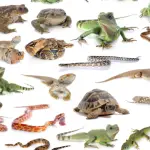
Anatomy and physiology are fundamental aspects of the study of reptiles and amphibians. These two classes of animals share some similarities but also have distinct differences in their anatomical and physiological characteristics. Understanding the anatomy…
What is Bursa? A bursa is a sac or soft-tissue envelope that can commonly be found in various parts of the body, especially in areas where two components frequently come in contact with each other.…
What is EED? EED stands for “Embryonic Ectoderm Development” and it refers to a protein present in human beings. This type of protein is said to be encoded by a gene that is named “EED…
What is CNS? CNS or Central Nervous System functions as the body’s central processing center in terms of controlling the activities of the entire body, including the detection of various sensations and movement. Its main…
What is RNAI? RNAI is the acronym that refers to the RNA Interface. This is a type of system occurring within living cells and plays a vital role in the control of active genes. It…
What is Thyroxine? Thyroxine refers to one of the produced hormones through the thyroid gland. It works for the regulation of adrenal system. This thyroid hormone is a major hormone which the follicular cells located…
What is PTH? PTH or parathyroid hormone is a hormone that is considered very important in regulating blood levels of phosphorus and calcium. It is a type of protein hormone and is produced by the…
What is ATP and why is it important? ATP stands for adenosine triphosphate. It is a molecule found in the cells of living organisms. It is said to be very important because it transports the…
What is FSH? FSH stands for follicle-stimulating hormone and is a type of gonadotropin involved in regulation of various reproductive activities of the human body. FSH is a protein molecule produced by the anterior pituitary…
What is the Axilla? The axilla is the junction between the inner part of the upper arm and the shoulder. This part is commonly known as the armpit in which many anatomical structures pass through…
What is Meiosis? Meiosis is the process of cell division among reproductive cells. This process will then give rise to “gametes” in animals and “spores” in plants. Gametes are cells that combine together to form…
What is Physiology and Anatomy? Physiology and anatomy are the branches of biology. Physiology deals with the study of organs and organ systems. The organ systems in the human body are respiratory system, circulatory system,…
How many muscles are there in the human body? 639. Even though several books present an absolute number of muscles in the human body, there is no definite answer to this question, due to the…
How many lymph nodes are there in the human body? Between 500 and 700. The International Commission on Radiological Protection (ICRP) estimates the number of lymph nodes in the human body is between 500 and…
How many lumbar vertebrae are there? From 3 to 29. Mammals have different lengths of lumbar vertebrae, which vary from 3 to 29. Humans have 5 lumbar vertebrae (named L1 to L5), and so do…